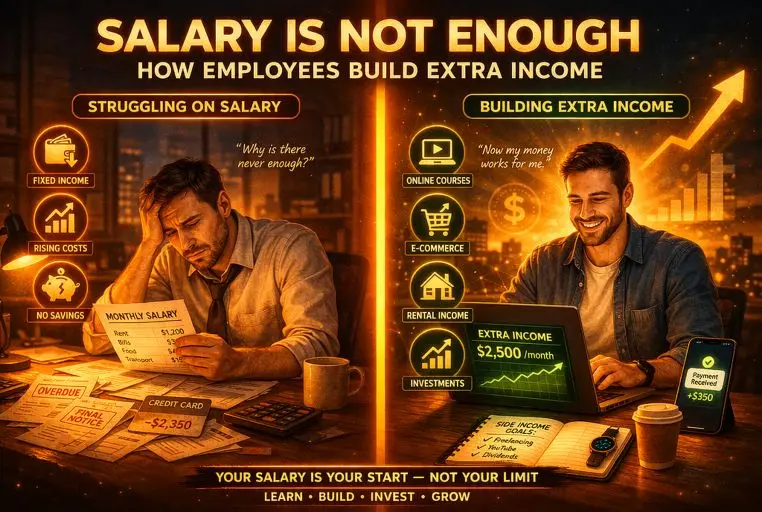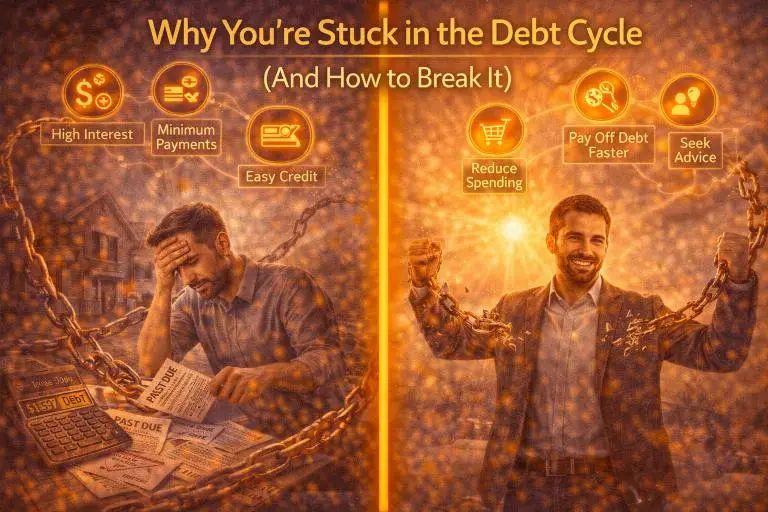


Everyone serious-minded person wants one simple thing: To Earn a Living, Take Care of Themselves, and Support Their Family.
For some people, the path starts smoothly. They have savings, family support, or financial backup. For others, the desire is strong but the capital is missing.
And in that gap between desire and financial capacity, many businesses and institutions build profitable models.
One of the most common models is Hire Purchase.
Hire purchase allows you to access a product or service immediately and pay in installments over time. When you finish paying, it becomes fully yours.
This system has helped many people. A young professional who cannot afford ₦4.8m at once can drive a car today by paying ₦100,000 monthly for 48 months. A business owner can acquire equipment that increases productivity without waiting years to save.
Yes, the buyer pays more than the original cash price. But in exchange, they solve a present problem immediately. They gain access, mobility, income opportunity, or comfort. In many cases, the extra ₦800,000 or more feels like the price of opportunity.
However, behind the sweetness of hire purchase, there is a brewing financial risk — for both buyer and seller.
When Payments Become a Problem
The biggest issue is not the agreement itself. It is sustainability.
For example, someone takes a car on hire purchase at ₦4.8m, paying ₦100,000 monthly. At the beginning, the excitement is high. Income is stable. The commitment feels manageable.
But life does not remain stable.
Unexpected medical bills arise. Business slows down. Fuel prices increase. School fees increase. Suddenly, that ₦100,000 monthly obligation feels heavier than before.
If payments are delayed, tension begins. The seller becomes uncomfortable. The buyer becomes defensive. Communication reduces. Trust weakens.
In extreme cases, the seller may repossess the car after the buyer has already paid ₦1.5m or ₦2m. The buyer feels cheated. The seller feels justified because it is in the contract.
And then, regret begins. The buyer regrets signing. The seller regrets offering credit to the wrong person.
The problem was never hire purchase itself. The problem was financial planning and emotional decision-making.
Now let’s talk about how to approach it wisely.
First: Have 2x Capacity
If you are expected to pay ₦100,000 per month, your financial strength should comfortably handle ₦200,000.
Not because you will pay ₦200,000 monthly, but because financial endurance matters more than financial excitement.
When you start paying, energy is high. You are motivated. But as months pass, enthusiasm drops. Human psychology changes. What felt small in month one may feel heavy in month twelve.
Consistency requires a different kind of energy than starting.
Also, income is rarely linear. Some months are strong. Others are weak. If your finances are tight, the first unexpected challenge will shake your repayment discipline.
Here is the deeper insight: repayment stress increases when the margin between income and obligation is small.
If you earn ₦300,000 monthly and must pay ₦100,000, that is one-third of your income. That creates pressure. But if you earn ₦500,000 and pay ₦100,000, the psychological pressure reduces.
Your “2x strategy” is about building buffer and speed.
For example, if you consistently save an extra ₦100,000 monthly aside from your ₦100,000 payment, within six months you will have ₦600,000 saved.
If that ₦600,000 is invested wisely in low-risk instruments, even at moderate returns, it strengthens your ability to make bulk payments later.
However, this part requires realism.
Money market instruments do not magically turn ₦600,000 into ₦1m in six months without high risk. To double money in a short period usually involves high volatility or speculative risk. And taking high risk while managing debt can worsen your situation.
A safer approach may be:
Use the ₦600,000 to reduce principal early if the contract allows early repayment without penalty.
Or use it to create a financial cushion so that even if income drops for three months, payments continue uninterrupted.
The real goal is not gambling for 2x returns. The real goal is shortening the repayment period while your financial energy is still strong.
When we have extra money, we are more motivated to clear debt. When cash flow becomes tight, we delay and tell ourselves, “Next month will be better.”
That is how debt stretches.
Second: Flexibility in Contract – Don’t Enter Out of Desperation
Never enter a hire purchase agreement from emotional pressure.
Desperation destroys negotiation power.
Let’s examine your example: A seller buys a car for ₦4m and offers it to you for ₦4.8m on hire purchase. He makes ₦800,000. That is his profit for taking the risk of delayed payment.
He is not doing you a favor. He is running a business.
You are not begging. You are entering a financial agreement that benefits both parties.
If the seller thinks he is helping you “out of kindness,” that mindset may later become toxic when you face difficulty.
That is why contracts must be clear and balanced.
A strong hire purchase contract should cover:
1. Amount. The total payable sum must be clearly stated in naira, including all charges. Is it ₦4.8m flat or are there hidden fees?
2. Initial deposit. How much upfront? Does paying more upfront reduce total payable?
3. Interest structure. Is the ₦800,000 fixed or calculated yearly?
4. Grace period. If payment is delayed by 7–14 days, what happens?
5. Penalty structure. How much is charged for late payment? Flat fee or percentage?
6. Early repayment terms. Can you clear the balance early without penalty?
7. Repossession policy. After how many missed payments can the asset be withdrawn?
8. Debt collection process. Will there be warning letters before repossession?
9. Restructuring option. If income drops temporarily, can payments be renegotiated?
10. Struggle period clause. For example, a defined hardship window where reduced payment can be agreed temporarily.
11. Insurance and liability. Who is responsible if the car is damaged before full payment?
12. Documentation transparency. All terms must be written, not verbal promises.
These details prevent conflict, resentment, and damaged relationships. When both parties understand the risk and reward clearly, emotional drama reduces.
Third: Match Hire Purchase with Income-Generating Value
Hire purchase is safest when the asset generates income.
Taking a car on hire purchase because it increases social status is risky.
Taking a car on hire purchase because it enables ride-hailing income is strategic.
If a business owner buys equipment worth ₦4.8m that increases monthly profit by ₦250,000, then paying ₦100,000 monthly becomes sustainable because the asset pays for itself.
But if the asset only consumes money, repayment pressure increases.
Before signing, ask: Will this product increase my income? Will it reduce costs significantly? Or is it purely for lifestyle comfort?
When debt funds productivity, it can accelerate growth. When debt funds ego, it can create silent financial stress.
Conclusion
Taking things on credit is not wrong. Hire purchase has empowered many people to access opportunity faster than their savings would allow.
But the real issue is not access. It is repayment discipline, emotional maturity, and financial planning.
If you enter with buffer capacity, clear contractual terms, and a productive purpose, hire purchase can be a powerful tool.
If you enter with desperation, tight cash flow, and unclear terms, it can become a trap.
Debt is neither good nor bad. It is a magnifier.
It magnifies discipline or indiscipline. It magnifies planning or carelessness. It magnifies wisdom or emotion.
The difference is not in the contract alone. The difference is in the mindset and preparation behind the signature.
Final Word
If you are serious about growth — financial or personal — but tired of vague advice and repeated setbacks, you are in the right place.